









What a Bidet Does and Why People Switch
A bidet sprays a gentle, targeted stream of clean water to wash you after you use the toilet, instead of relying on dry paper. Toilet paper wipes; a bidet washes. That one difference is what most first-time buyers are actually paying for, and a bidet seat is the quickest way to add it at home.
The water is the same water you wash your hands with
Every bidet here draws from the fresh supply line that already feeds your toilet tank. It never reuses water from the bowl. Electric seats run that water through an internal heater on the way to the nozzle, so the wash arrives warm rather than at whatever temperature your pipes happen to deliver. If the mechanics matter to you, how bidets work walks through the plumbing side step by step.
What you get on an electric bidet seat
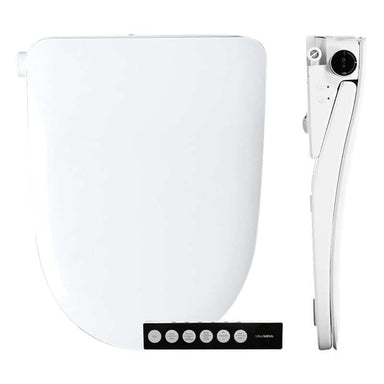
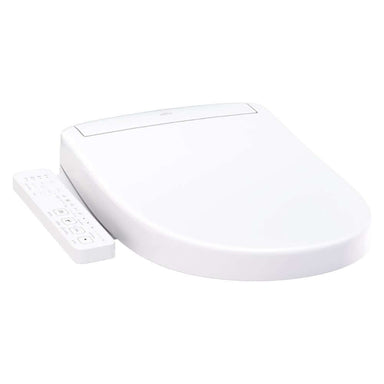
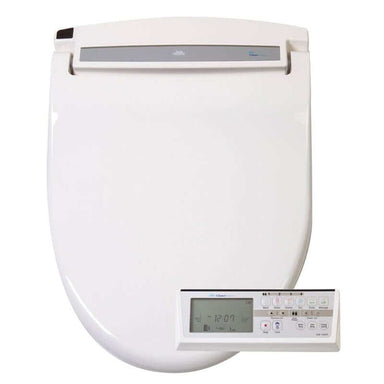
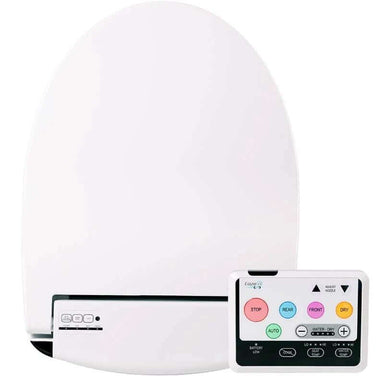
Press rear wash or front wash and the nozzle extends from under the seat, sprays at the temperature and pressure you set, then rinses itself and retracts. Around that core wash, the seats in this collection add a heated seat, a warm air dryer, oscillating and pulsating spray, an automatic deodorizer, adjustable nozzle position, and a remote that saves settings for up to four users. TOTO's WASHLET bidet seats go further with PREMIST, which mists the bowl before each use so waste rinses away more easily, and EWATER+, which cleans the wand with electrolyzed water automatically.
Toilet paper becomes optional
The water does the cleaning, so paper is only there to dry. Most owners pat dry with a few squares rather than wiping, and households commonly cut their paper use by 75 percent or more. On a seat with a warm air dryer you can skip paper altogether and let the dryer finish. Using toilet paper with a bidet covers both routines honestly.
Who gets the most out of one
Water is gentler on skin than dry paper, so many people simply find a bidet more comfortable day to day. It tends to matter most for anyone with sensitive skin, anyone recovering from surgery, and people with limited mobility who want to manage on their own, which is why bidet seats turn up so often in bathrooms planned around aging in place. Renters do well with them too. A bidet seat uses the existing water line, needs no drilling, and comes off in a few minutes when you move out.
How to Choose a Bidet
Four decisions cover almost every bidet purchase: the type of bidet, your bowl shape, whether there is an outlet near the toilet, and which comfort features you will actually use. Work through them in that order and the shortlist gets short fast.
1. Pick the type of bidet
Bidets come as seats, attachments, handheld sprayers, standalone fixtures, and complete bidet toilets. Every product in this collection is a bidet seat, because that is the type most buyers land on: it keeps the toilet you already own and still supports warm water, a heated seat, and warm air drying. If you would rather replace the fixture than the seat, look at complete bidet toilets instead.
2. Measure your bowl before anything else
Bidet seats are made for round bowls and elongated bowls, and the two are not interchangeable. Measure in a straight line from the center of the two seat bolts at the back to the front edge of the ceramic. About 16.5 inches is round; about 18.5 inches is elongated. Measure the bowl and not the seat, since a seat can overhang the ceramic. Then shop elongated bidet seats or round bidet seats.
3. Check the outlet and the space behind the bowl
An electric bidet seat needs a grounded 120-volt outlet, GFCI protected, near the toilet. Check the mounting area too. These seats are built for bolt holes about 5.5 inches apart, and most need a little clearance between the front of the tank and those holes so the seat can sit flat. If there is no outlet in range, that is an electrician's job, not a plumber's.
4. Decide how the seat heats water
Tankless seats heat water as it passes through, so the warm wash does not run out and back-to-back use in a busy household is not a problem. Tank models store a small amount of pre-heated water and need time to recover between washes, which is fine for one or two users. Most seats here heat instantly, including the TOTO WASHLET S5, the S2, and the KS5. See bidets with instant and unlimited warm water.
5. Choose the features you will use every day
The features that change how a bidet feels day to day are the heated seat, the warm air dryer, an oscillating or pulsating spray, an automatic deodorizer, a night light, a remote that stores settings for several users, and a motion-activated lid. Each one adds cost, so decide which two or three you would genuinely miss and ignore the rest.
How Long a Bidet Lasts and What It Takes to Maintain One
A bidet lasts as long as you maintain it. The store's guide to smart toilets puts a well-maintained smart toilet at 10 to 15 years or more, and nothing published sets a separate figure for bidet seats. So treat upkeep as the variable: what shortens a seat is harsh cleaner and a neglected nozzle, not ordinary daily use.
The routine is small. A gentle clean twice a week and a deeper clean once a month suits most households. Unplug an electric seat first, use a soft cloth with mild soap, and keep bleach off the nozzle, the plastic and the gaskets. Run the seat's nozzle-cleaning function if it has one, and use a little vinegar on a cloth for mineral buildup in hard-water areas. Seats with a quick-release catch lift off so you can clean the mounting area underneath. How to clean a bidet walks through the whole routine.
Some of that upkeep is automatic. TOTO's EWATER+ uses electrolyzed water to keep the wand and bowl hygienic without you doing anything, and PREMIST wets the bowl before each use so waste rinses away more easily, which is why the WASHLET seats ask less of you between cleans than a basic attachment does.